The Secret World of BBC Politics Live
BBC Politics Live is one of the most watched political shows in the UK, offering real-time analysis, breaking news, and in-depth interviews with key figures. But behind its polished presentation lies a complex and often chaotic world of production decisions, editorial challenges, and behind-the-scenes power struggles. What’s really happening when the cameras aren’t rolling?
The Making of a Political Tour de Force
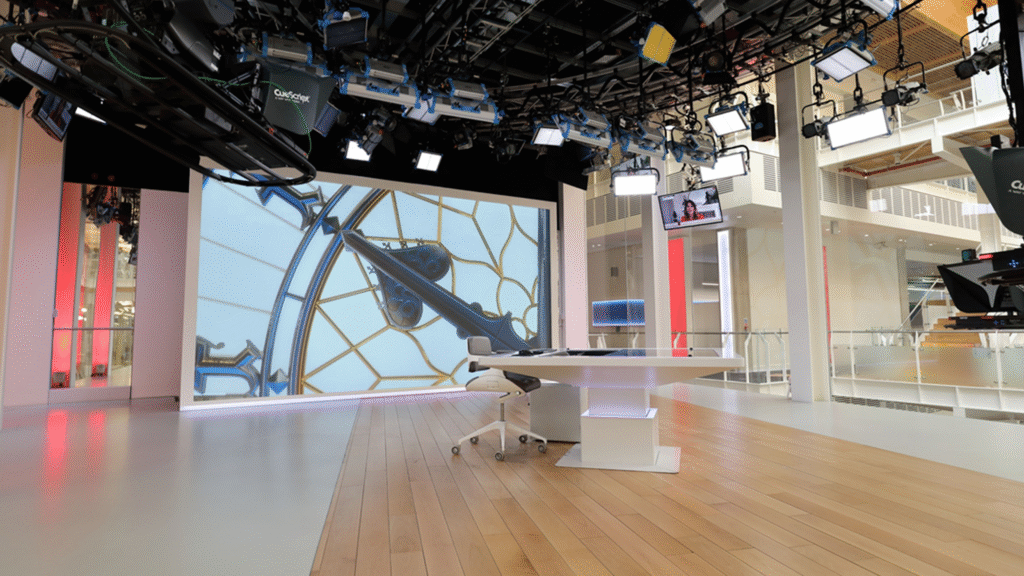
Every weekday morning, BBC Politics Live airs live from MediaCityUK in Salford, blending studio discussions with live reports from Westminster and beyond. The show’s formula—fast-paced, opinion-driven, and visually engaging—has made it a staple for political junkies and casual viewers alike. But crafting this content requires a team of producers, researchers, and editors working under tight deadlines and immense pressure.
Who Pulls the Strings? The Production Team
Behind the familiar faces of presenters like Jo Coburn, Chris Mason, and Emma Barnett is a network of unsung heroes. Producers are constantly scanning the news wires, social media, and party briefings to identify which stories deserve airtime. Their decisions shape the narrative of the day, often dictating which politicians get invited on air and which issues are framed as urgent.
- Researchers: These are the ones digging into policy documents, past interviews, and data sets to ensure every claim is fact-checked. They’re the first line of defense against misinformation.
- Booking Producers: Their job is to secure high-profile guests—sometimes on short notice. A last-minute cabinet resignation or a scandal can turn their day upside down.
- Editors: They make the final call on what makes the cut. In live television, time is limited, so tough choices must be made about which stories take priority.
The Unseen Pressure of Live Broadcasting
Live TV is unforgiving. One technical glitch, misheard question, or sudden breaking news can derail an entire broadcast. Producers often work with minimal sleep, especially during major political events like elections or leadership contests. The pressure to stay ahead of social media—where mistakes are instantly amplified—adds another layer of stress.
Who Decides What’s “News”? The Editorial Battle
Political journalism is inherently subjective. While the BBC prides itself on impartiality, editorial decisions still reflect the priorities of the day. Some argue the show leans too heavily on Westminster insiders, while others claim it over-represents Westminster-based narratives over issues affecting the wider public.
- Westminster Bias: Critics say the show focuses too much on party politics and not enough on the impact of policies on ordinary people.
- Breaking News vs. Analysis: Producers must balance the need for instant updates with the value of deep-dive discussions.
- Guest Selection: Inviting certain politicians over others can shape public perception. A show that leans too centrist or too adversarial risks alienating viewers.
The Role of Social Media and Audience Feedback
BBC Politics Live isn’t just a TV show anymore—it’s a digital ecosystem. Producers monitor Twitter, TikTok, and Facebook to gauge public reaction in real time. A viral clip from the show can spark a debate, while a poorly received segment might prompt swift corrections or apologies.
Even the BBC’s own ombudsman has highlighted cases where the show’s tone or selection of guests has been called into question. The audience’s voice now plays a direct role in shaping future broadcasts.
The Human Cost: Burnout and Job Insecurity
The fast-paced nature of political journalism takes a toll. Producers and researchers often work irregular hours, and job security in the industry is increasingly fragile. The BBC’s budget cuts have led to smaller teams handling more responsibilities, increasing the risk of burnout.
Sources within the BBC have described a culture where long hours are expected, and mental health support is often lacking. Yet, despite the challenges, many stay because they believe in the show’s mission to inform the public.
What Viewers Don’t See: The Tech Behind the Scenes
Behind the seamless broadcasts are teams managing live feeds, graphics, and interactive elements. Data journalists crunch numbers in real time, while graphic designers ensure visuals are clear and engaging. A single misplaced slide or audio delay can disrupt the flow of the show.
Increasingly, the BBC is integrating digital tools like live polls, audience Q&As, and interactive segments. These features require coordination between studio teams, online producers, and social media managers—all working in sync to create a cohesive experience.
The Future of BBC Politics Live
As media consumption habits shift, the show must evolve. Younger audiences prefer short-form video and podcasts, while traditional TV faces declining viewership. The BBC is experimenting with new formats, including spin-off podcasts and YouTube clips, to keep up.
Yet, the core challenge remains: how to engage a diverse audience while maintaining journalistic integrity. With the rise of AI-generated content and deepfake videos, the need for rigorous fact-checking has never been greater.
BBC Politics Live may appear as a straightforward political show, but its behind-the-scenes reality is a high-stakes balancing act. From editorial battles to technical hurdles, the people behind the curtain work tirelessly to bring viewers the news they need—often before anyone else.
About the Author