Introduction:
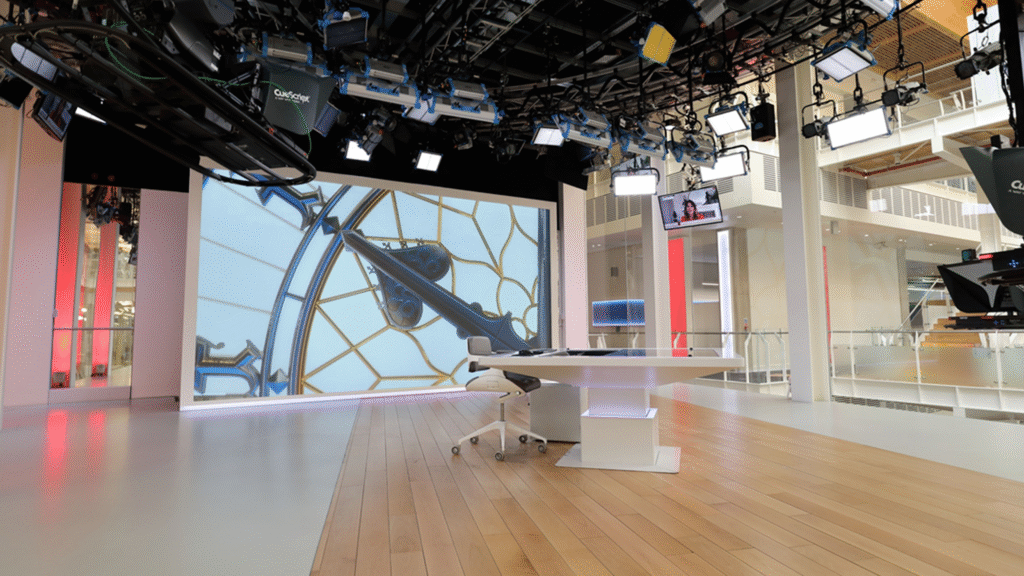
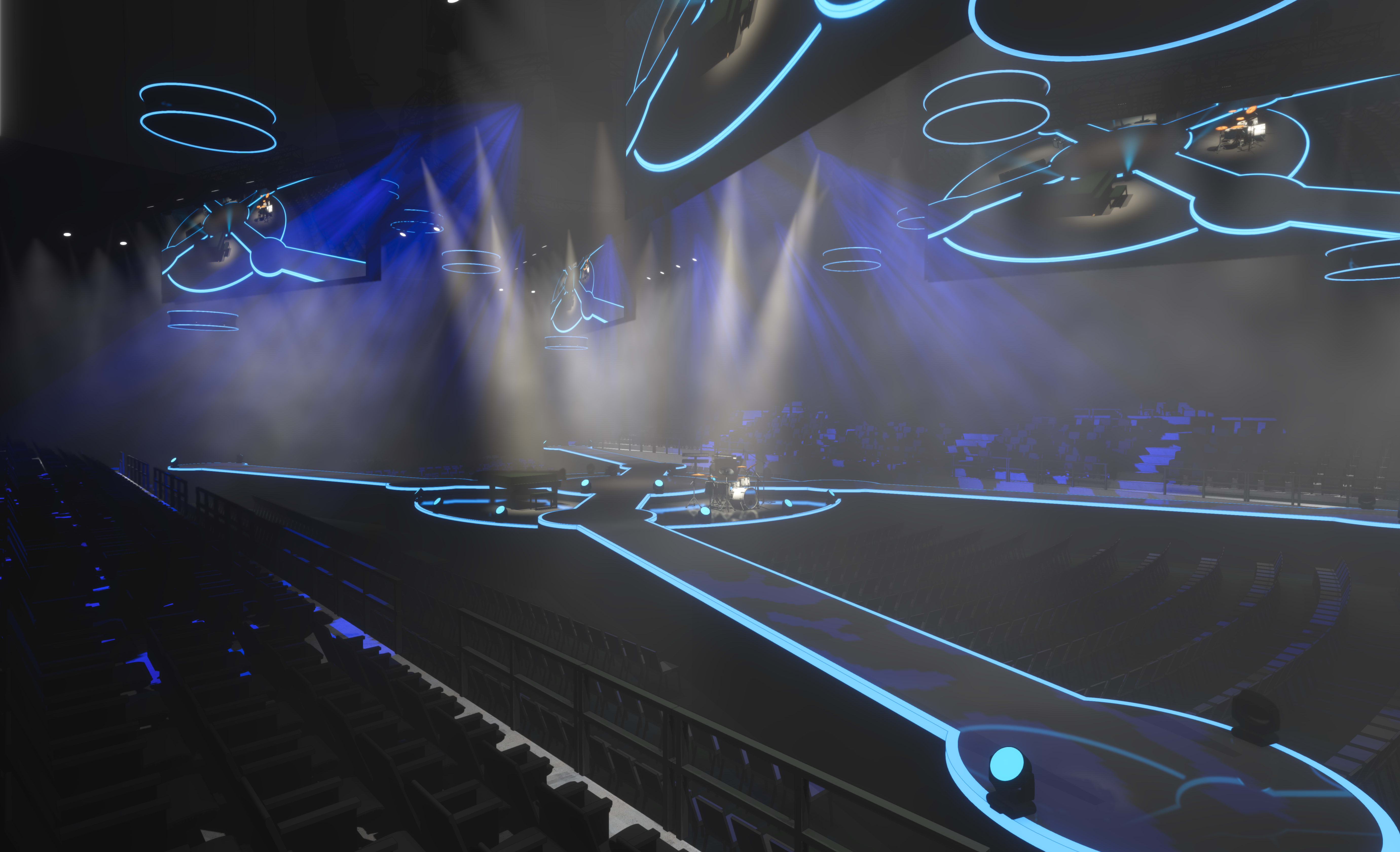
Scenic fabrication transforms creative concepts into physical sets, props, and immersive environments for theater, film, television, events, and themed attractions. The process is both an artistic and technical journey, requiring careful planning, collaboration, and execution. From the first idea to the final set on stage, each step plays a critical role in bringing the designer’s vision to life.
1. Concept Development
Idea Generation
The scenic fabrication process begins with brainstorming and idea generation. Designers work closely with directors, producers, or clients to understand the story, theme, and functional requirements.
Sketches and Mood Boards
Visual tools such as sketches, mood boards, and concept art help translate ideas into tangible plans. They allow the team to explore aesthetics, color schemes, textures, and spatial arrangements before any fabrication begins.
2. Design and Planning
Technical Drawings and Blueprints
Once the concept is approved, designers create detailed technical drawings and blueprints. These include dimensions, materials, and assembly details, which guide the fabrication team.
3D Modeling and Visualization
Modern scenic fabrication often uses 3D modeling software to simulate the set digitally. This allows teams to test perspectives, sightlines, and lighting, reducing errors during the construction phase.
3. Material Selection
Choosing the Right Materials
Material choice is crucial for durability, weight, safety, and visual appeal. Foam, wood, metal, composites, and fabrics are commonly used, each selected based on its suitability for the design and performance requirements.
Testing and Prototyping
Small prototypes or sample pieces are often fabricated to test material behavior, texture, and finish. This step ensures that the final components perform as intended.
4. Fabrication and Construction
Cutting, Shaping, and Assembly
Skilled artisans use hand tools, power tools, CNC machines, and 3D printers to cut, shape, and assemble scenic elements. Precision is critical to ensure pieces fit together correctly and meet safety standards.
Painting and Finishing
After construction, surfaces are painted, textured, and finished to match the visual aesthetic. Techniques such as faux finishes, weathering, and layering create realistic and immersive effects.
5. Integration of Technology and Effects
Lighting and Projection
Sets are often designed to accommodate lighting rigs, LED screens, and projection mapping, which enhance the mood and atmosphere.
Mechanical and Interactive Elements
For dynamic performances, moving platforms, rotating elements, trapdoors, or animatronics may be integrated into the set. These elements must be engineered carefully to operate safely and reliably.
6. Installation and On-Stage Assembly
Site Preparation and Layout
Before bringing pieces on stage, the installation team prepares the space, ensuring proper measurements, clearances, and safety protocols.
Final Assembly and Testing
Set pieces are carefully assembled, and all moving parts or effects are tested. This includes rehearsal with performers to ensure functionality and seamless integration into the performance.
7. Maintenance and Adjustments
Ongoing Care
Throughout the run of a show, scenic sets require regular maintenance, touch-ups, and occasional adjustments to remain safe and visually consistent.
Modifications for Touring or Reuse
For traveling productions or repeated use, modular designs allow for quick disassembly, transport, and reassembly, ensuring longevity and cost-efficiency.
Conclusion:
The scenic fabrication process is a collaborative journey that blends creativity, technical expertise, and practical problem-solving. By carefully progressing from concept and planning to fabrication, finishing, and installation, designers and fabricators can bring immersive, functional, and visually stunning sets to life. Every successful production relies on this structured process to ensure that the final stage environment not only tells the story but also captivates and engages audiences.
About the Author