Introduction & Background
The world of BBC Politics is often seen through the lens of the final news headline or a viral clip shared on social media. Behind every polished broadcast, however, lies a complex web of decisions, ethical dilemmas, and behind-the-scenes battles that shape how we understand politics today. The BBC, as one of the most trusted news organizations globally, plays a pivotal role in informing the public about political events. Yet, the process of gathering, verifying, and presenting political news is far from straightforward. This article delves into the untold struggles, editorial choices, and strategic challenges that define the BBC’s political coverage.
Concept & Overview
BBC Politics refers to the dedicated division within the British Broadcasting Corporation responsible for reporting on political events, figures, and policies. Unlike general news reporting, political journalism demands a deep understanding of governance, power structures, and public sentiment. The BBC’s approach combines impartiality, accuracy, and depth, aiming to provide audiences with a balanced view of political developments. However, this mandate is tested daily by factors such as breaking news urgency, source reliability, and the need to avoid bias. The team behind BBC Politics must navigate these pressures while maintaining journalistic integrity, often making critical decisions in real time.
Key Features & Highlights
- Impartiality and Editorial Standards: The BBC’s editorial guidelines strictly require neutrality, ensuring that political coverage does not favor any party or ideology. This principle guides every story selection and wording choice.
- In-Depth Political Analysis: Beyond daily updates, BBC Politics provides expert analysis, interviews with policymakers, and breakdowns of legislation, giving viewers a deeper understanding of complex issues.
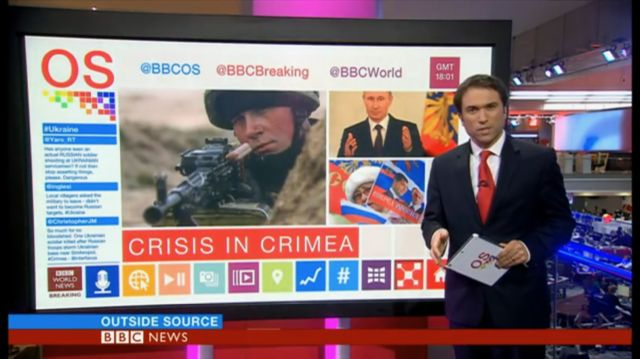
- Live Coverage and Breaking News: Political events such as elections, debates, and parliamentary sessions are often broadcast live, requiring rapid coordination among reporters, producers, and technical teams.
- Fact-Checking and Verification: With misinformation spreading rapidly, the BBC employs rigorous fact-checking processes to verify claims made by politicians and pundits before airing or publishing content.
- Access to Key Figures: Journalists strive to secure exclusive interviews with high-profile politicians, though access can be limited by spin doctors and media strategies employed by those in power.
- Digital Innovation: The BBC continuously adapts to digital trends, using social media platforms, podcasts, and interactive graphics to engage younger audiences and enhance political storytelling.
Frequently Asked Questions / Pros & Cons
Is BBC Politics truly impartial?
The BBC is legally obligated to remain impartial in its political reporting. However, impartiality does not mean neutrality on every issue, as the organization must reflect a range of views. Critics argue that impartiality can sometimes lead to false balance, where fringe or misleading viewpoints receive undue attention. Supporters counter that this approach ensures fairness and prevents the spread of bias.
How does the BBC decide which political stories to cover?
Story selection is based on several factors including public interest, relevance, and news value. Editors assess the impact of a story on society, its timeliness, and whether it reveals new information. Political stories with potential to influence public opinion or policy often receive priority. However, resource constraints mean not every event can be covered in depth.
What challenges do BBC political journalists face?
Journalists often encounter obstacles such as limited access to politicians, tight deadlines, and the need to balance speed with accuracy. Political spin, misleading statements, and aggressive PR strategies complicate reporting. Additionally, the rise of social media has intensified pressure to publish quickly, increasing the risk of errors.
Does the BBC favor certain political parties?
While the BBC strives for impartiality, accusations of bias occasionally arise from different political groups. Some conservatives claim the BBC leans left, while progressives argue it favors establishment narratives. The BBC maintains that its coverage is based on evidence and adherence to editorial guidelines, but public perception of bias remains a persistent challenge.
How does the BBC handle misinformation in political reporting?
The BBC employs a dedicated team of fact-checkers and uses tools like reverse image searches and expert consultations to verify claims. During election periods, additional measures are taken to ensure accuracy. When misinformation is identified, corrections are issued promptly, and misleading content is clearly labeled or removed.
Practical Guidance & Solutions
For viewers who want to critically engage with BBC Politics, several strategies can enhance understanding and awareness of behind-the-scenes dynamics.
Diversify Your Sources: While the BBC provides comprehensive coverage, supplementing it with international outlets, independent journalists, and alternative media ensures a broader perspective and helps identify potential blind spots.
Follow Fact-Checking Initiatives: The BBC’s Reality Check team and other fact-checking organizations like Full Fact are valuable resources for verifying political claims. Following their updates can help distinguish between fact and fiction in real time.
Understand Editorial Choices: Recognize that news selection and framing are influenced by editorial policies, audience expectations, and resource constraints. Asking why a story is covered (or not) adds depth to media literacy.
Engage with Transparency Tools: The BBC publishes editorial guidelines and frequently explains its decision-making processes. Reading these documents and attending public forums can provide insight into how political stories are handled.
Develop Critical Thinking: Question the motivations behind political statements and the context in which they are made. Consider the source of information, potential conflicts of interest, and whether opposing viewpoints are represented.
Conclusion
The BBC Politics desk operates as both a guardian of democracy and a battleground for truth, where every broadcast represents hours of unseen effort. Behind the clarity of a newsreader’s voice lies the relentless work of journalists, editors, and fact-checkers who must sift through noise, spin, and urgency to deliver meaningful information. As political landscapes grow increasingly complex and polarized, the challenges facing BBC Politics will only intensify. Yet, in an era of misinformation and superficial engagement, the BBC’s commitment to impartiality and depth remains a vital anchor for public discourse. By understanding the untold battles behind the headlines, audiences can better appreciate the value of reliable journalism, and the vigilance required to preserve it.
About the Author