BBC Politics Live: Bridging the Gap Between Westminster and the Public
In today’s fast-paced political landscape, where decisions made in Westminster reverberate across the nation, staying informed in real time is more critical than ever. The BBC’s Politics Live has emerged as a vital platform, offering viewers an unfiltered, dynamic window into the corridors of power. Whether you’re a political enthusiast, a journalist, or simply someone who wants to understand the forces shaping the UK, this program delivers the drama, the facts, and the behind-the-scenes insight you need—without the spin.
Unlike traditional news bulletins or dry political analysis, Politics Live thrives on immediacy. It transforms Westminster’s often opaque world into a transparent, engaging experience. From breaking political scandals to high-stakes parliamentary debates, the show cuts through the jargon to provide clarity. Its unique blend of live reporting, expert commentary, and audience interaction makes it a standout in political journalism.
The Format: A 21st-Century Approach to Political Coverage
BBC Politics Live isn’t just another political show—it’s a live, interactive experience that adapts to the digital age. Broadcast weekdays on BBC Two and the iPlayer, the program runs from 9 AM to 11 AM, aligning with the most active hours in Westminster. Each episode is structured to maximize engagement, combining live studio discussions with real-time reactions to unfolding events.
The format revolves around a core team of presenters, journalists, and analysts who dissect the day’s political developments. Their discussions are punctuated by live feeds from Westminster, allowing viewers to witness key moments as they happen. Whether it’s Prime Minister’s Questions (PMQs), a breaking scandal, or a policy announcement, the show ensures you’re always in the loop.
The interactive element is a game-changer. Viewers can participate via social media, submitting questions or comments that may be addressed on air. This two-way dialogue bridges the gap between the political elite and the public, fostering a sense of inclusivity rarely seen in traditional media. It’s not just about watching the news—it’s about being part of the conversation.
Key Features of the Show
- Live Westminster Coverage: Direct feeds from Parliament, ensuring viewers see debates, votes, and speeches as they occur.
- Expert Panels: A rotating cast of political correspondents, MPs, and analysts provides context and analysis.
- Interactive Polls: Real-time audience engagement through polls and social media integration.
- Audience Participation: Questions from viewers shape segments, making the show responsive to public interest.
- Breaking News Alerts: Sudden political developments trigger immediate updates and deep dives.
Why Politics Live Stands Out in a Crowded Media Landscape
The UK’s political media ecosystem is vast, but Politics Live carves out its niche by prioritizing transparency, immediacy, and accessibility. In an era where misinformation spreads rapidly, the BBC’s commitment to factual, balanced reporting is a breath of fresh air. The show doesn’t just report the news—it explains why it matters and what it means for ordinary people.
One of the program’s greatest strengths is its ability to demystify complex political processes. Westminster is often seen as an inscrutable world of jargon and protocol, but Politics Live breaks down these barriers. Whether it’s dissecting a new bill, analyzing a minister’s resignation, or debating the implications of a poll, the show makes politics digestible for everyone.
Another standout feature is the BBC’s dedication to impartiality. In a media landscape increasingly dominated by partisan outlets, Politics Live remains a trusted source of information. Its presenters and guests represent a spectrum of political views, ensuring that discussions are robust but fair. This commitment to balance is crucial in an age where echo chambers and confirmation bias run rampant.
Meet the Faces Behind the Show
Politics Live is anchored by a team of seasoned journalists and broadcasters who bring a wealth of experience to the table. Their expertise—spanning decades of political reporting—ensures that viewers receive not just the news, but informed analysis. Here are some of the key figures who shape the show:
- Emma Barnett: Known for her sharp interviewing style and ability to cut through political spin.
- Jo Coburn: A veteran political correspondent who provides insightful commentary on Westminster’s inner workings.
- Lewis Goodall: The BBC’s senior political correspondent, offering real-time updates and expert analysis.
- Sonia Sodha: A regular panellist who brings a progressive perspective to discussions.
- Nick Robinson: Formerly a key presenter, Robinson’s deep understanding of politics continues to influence the show’s direction.
Each presenter brings a unique perspective, creating a dynamic and diverse dialogue that reflects the complexities of UK politics. Their chemistry on screen makes Politics Live both informative and entertaining—a rare balance in political journalism.
The Role of Technology in Enhancing Political Coverage
Technology is at the heart of Politics Live, enabling the show to deliver real-time insights in a way that traditional media never could. The use of live feeds, social media integration, and digital polling ensures that the program is as responsive as it is authoritative. This tech-driven approach not only keeps viewers engaged but also sets a new standard for political coverage.
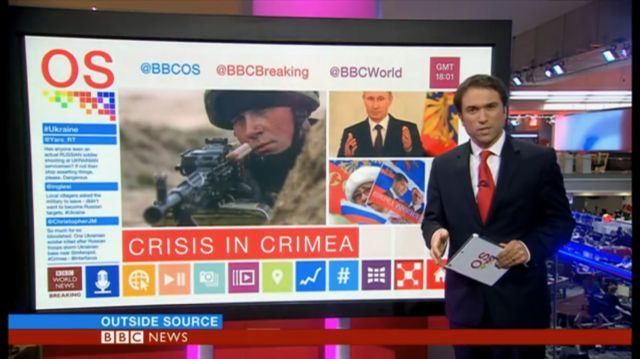
One of the most innovative features is the use of live graphics and data visualizations. During key moments, such as election results or major votes, the show overlays real-time data to help viewers understand the significance of events. This visual storytelling breaks down complex information into easily digestible formats.
Social media also plays a pivotal role. Viewers can tweet questions, share their opinions, or react to segments in real time. The show’s producers actively monitor these interactions, incorporating audience input into the discussion. This feedback loop ensures that Politics Live remains relevant and responsive to public concerns.
The BBC’s iPlayer and streaming services further amplify the show’s reach. For those unable to watch live, the program is available on demand, allowing viewers to catch up at their convenience. This accessibility is crucial in today’s on-the-go world, where people consume news in fragmented, digital-first ways.
How Politics Live Influences Public Perception and Political Discourse
Beyond entertainment and information, Politics Live plays a significant role in shaping public perception and political discourse. By providing a platform for open debate and scrutiny, the show holds power to account. Whether it’s grilling a government minister or challenging opposition rhetoric, the program ensures that political leaders are held to the highest standards of transparency.
The show’s influence extends beyond its broadcast. Segments often go viral on social media, sparking wider discussions about the issues of the day. Hashtags related to the show trend regularly, with viewers sharing clips and debating the topics in real time. This ripple effect amplifies the program’s impact, making it a driving force in the national conversation.
Moreover, Politics Live serves as a barometer for public opinion. By incorporating audience polls and reactions, the show gauges the mood of the nation on key issues. This data is invaluable for politicians, journalists, and the public alike, offering a snapshot of where the country stands at any given moment.
The Challenges of Live Political Broadcasting
While Politics Live excels in delivering real-time insights, live broadcasting comes with its own set of challenges. The unpredictable nature of politics means that plans can change at a moment’s notice. Breaking news, late-breaking developments, or even technical glitches can disrupt the show’s flow. Yet, the BBC’s team is adept at adapting on the fly, ensuring that viewers always receive accurate and timely information.
Another challenge is maintaining balance in a polarized political climate. With tensions running high, the show must navigate sensitive topics without alienating any segment of its audience. The producers and presenters work tirelessly to ensure that discussions remain fair, even when tackling contentious issues. This commitment to impartiality is what makes Politics Live a trusted source of information.
There’s also the issue of accessibility. While the show is available on multiple platforms, not everyone has equal access to digital media. The BBC addresses this by ensuring that key segments are also broadcast on traditional TV and radio, widening its reach to those who may not be online.
What’s Next for Politics Live?
As politics continues to evolve, so too will Politics Live. The BBC has hinted at expanding the show’s digital presence, potentially introducing new formats or interactive features to keep pace with changing viewer habits. The rise of AI and data analytics could also play a role, offering deeper insights into public sentiment and political trends.
One thing is certain: the demand for transparent, real-time political coverage will only grow. With Westminster’s drama showing no signs of slowing down, Politics Live is poised to remain at the forefront of political journalism. Its blend of immediacy, expertise, and audience engagement sets a benchmark for how politics should be covered in the 21st century.
For viewers, that means one thing—never missing a moment of the action. Whether you’re tuning in daily or catching up on the iPlayer, Politics Live ensures you’re always in the know, always informed, and always part of the conversation.
About the Author