BBC Politics Live: Behind the Scenes of Westminster’s Daily Drama
Every weekday, millions of viewers tune into BBC Politics Live, a flagship program that dissects the latest political developments in Westminster. More than just a news broadcast, it offers a real-time window into the machinations of power, the clashes between parties, and the personalities that shape British politics. But behind the polished studio segments and authoritative commentary lies a complex, fast-paced operation that begins long before the cameras roll. This is the story of how BBC Politics Live is made—and why it remains a vital source of information in an era of constant political flux.
How the Show Came to Be
BBC Politics Live launched in 2017 as part of the BBC’s renewed commitment to covering Westminster with depth and immediacy. The program was designed to fill a gap left by traditional news bulletins, offering longer-form analysis and live interaction with viewers. Its creation reflected a growing demand for transparency in political reporting, especially as social media amplified the pace and volume of political discourse. The show’s format—live from Westminster, with a rotating panel of experts and politicians—was innovative at the time and has since become a template for political coverage across the UK.
The program’s founding editor, Emma Birchall, described the vision as “bringing the corridors of power to the public in real time.” That ethos remains central today. Whether it’s Prime Minister’s Questions, a major policy announcement, or a breaking scandal, BBC Politics Live aims to be the go-to place for context, reaction, and accountability.
The Daily Grind: What Happens Before the Broadcast?
The day in the life of BBC Politics Live begins early. The editorial team, led by a dedicated producer, starts work around 5:00 AM, sifting through overnight political developments. By dawn, the show’s presenter—often a seasoned political journalist like Jo Coburn, Emma Barnett, or Chris Mason—receives a detailed briefing pack outlining the top stories, key parliamentary schedules, and emerging issues. This briefing is compiled through a mix of BBC journalists, wire services, and proprietary monitoring tools that track government announcements, think tank reports, and social media trends.
By 8:00 AM, the team gathers for a morning editorial meeting. This is where decisions are made on which stories to lead with, who should be invited as guests, and how to frame the day’s narrative. The show’s editor oversees the discussion, ensuring that the broadcast aligns with the BBC’s editorial guidelines and public service remit. Guest bookings are a critical part of this process. Producers reach out to MPs, analysts, and campaigners, often at short notice, to secure participation. The political cycle—especially during parliamentary recess or election periods—demands flexibility and quick thinking.
The Studio: Where Westminster Meets the Public
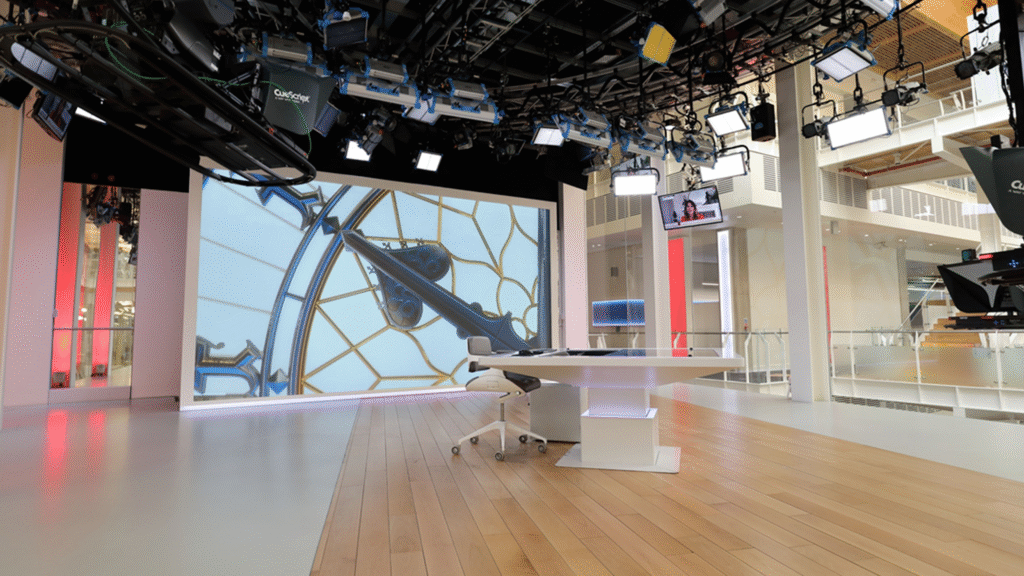
The BBC’s Westminster studio, a modest but iconic space adjacent to Parliament, serves as the show’s nerve center. Unlike large news sets, the studio is designed for intimacy and immediacy. The presenter is seated at a curved desk with a backdrop of the Palace of Westminster, reinforcing the connection to real political power. Behind the scenes, a team of producers, researchers, and technical staff work in a control room packed with screens, live feeds, and communication devices.
One of the show’s most distinctive features is its audience interaction. Viewers can send questions via email, social media, and the BBC’s website, which are then displayed on screen during the broadcast. This real-time engagement adds a layer of democracy to the program, allowing ordinary citizens to challenge politicians and commentators directly. The production team monitors these submissions closely, selecting the most pressing or insightful questions to put to guests.
Key Roles Behind the Scenes
- Producer: Coordinates the editorial flow, liaises with guests, and ensures the broadcast runs smoothly.
- Researcher: Prepares briefings, checks facts, and assists with guest vetting.
- Technical Director: Oversees camera angles, sound, and live feeds from Parliament.
- Presenter: Acts as the public face of the show, guiding discussion and maintaining authority.
- Guest Booker: Secures politicians, experts, and analysts for interviews and panel discussions.
Navigating the Political Minefield
BBC Politics Live doesn’t just report politics—it often finds itself in the middle of it. The program frequently hosts MPs from across the spectrum, including those embroiled in controversies or engaged in heated debates. Managing these interactions requires a delicate balance between scrutiny and impartiality. The BBC’s editorial guidelines prohibit bias, so producers must vet guests carefully to ensure a range of perspectives is represented.
Controversies occasionally arise. In 2021, a senior Conservative MP walked off the set after being challenged on his voting record, sparking debate about the show’s interrogative style. The BBC defended its approach, arguing that robust questioning is essential for holding power to account. Such moments highlight the program’s role not just as a broadcaster, but as a participant in the political ecosystem.
The Digital Edge: Extending the Conversation
While the live broadcast is the show’s centerpiece, BBC Politics Live has expanded into digital platforms to reach younger and more diverse audiences. The program’s social media presence is particularly active, with clips, live streams, and interactive features shared across Twitter, Facebook, and Instagram. The BBC also produces podcasts and articles that delve deeper into the day’s topics, ensuring the conversation continues long after the studio lights go off.
This multi-platform strategy has been crucial in adapting to changing media consumption habits. Younger viewers, in particular, often engage with politics through bite-sized digital content rather than traditional broadcasts. BBC Politics Live has responded by incorporating more visual storytelling, data-driven explainers, and audience-led discussions into its digital output.
Challenges and Criticisms
No program is without its detractors, and BBC Politics Live has faced its share of criticism. Some argue that the show’s focus on Westminster elites excludes voices from outside the political bubble. Others claim that the fast-paced format can oversimplify complex issues, reducing nuanced debates to soundbites. The BBC has addressed these concerns by diversifying its guest list, incorporating more regional perspectives, and dedicating segments to grassroots movements and local issues.
Another challenge is the sheer unpredictability of politics. A major breaking story—such as a resignation, a policy U-turn, or a constitutional crisis—can derail even the most carefully planned broadcast. The production team must be ready to pivot at a moment’s notice, often rewriting scripts and rebooking guests within hours. This adaptability is a testament to the team’s resilience and the strength of the BBC’s newsroom infrastructure.
The Future of Political Broadcasting
As British politics continues to evolve, so too does BBC Politics Live. The rise of populism, the impact of Brexit, and the ongoing debates over devolution have all reshaped the political landscape—and the show’s coverage. Looking ahead, the program is likely to place greater emphasis on data journalism, investigative reporting, and audience interaction. The BBC has also hinted at expanding its regional coverage, ensuring that the concerns of Scotland, Wales, and Northern Ireland receive equal attention.
One thing is certain: in an era of misinformation and partisan echo chambers, BBC Politics Live remains a trusted source of facts, context, and accountability. Behind its polished facade is a team of journalists, producers, and technicians working tirelessly to bring Westminster to the people—raw, unfiltered, and live.
How to Watch and Get Involved
BBC Politics Live airs weekdays from 9:00 AM to 10:00 AM on BBC Two and the BBC News Channel. It is also available on the BBC iPlayer for up to 30 days after broadcast. Viewers can engage with the show by sending questions via Twitter using the hashtag #PoliticsLive or by emailing the team directly. The program’s social media platforms offer additional content, including extended interviews, behind-the-scenes footage, and live Q&A sessions with political experts.
For those interested in the nuts and bolts of political journalism, BBC Politics Live offers a rare glimpse behind the curtain. It’s a reminder that politics isn’t just about policies and power plays—it’s about people, scrutiny, and the daily drama that shapes the nation.
About the Author